Licensed in California · NMLS #362311
EZOnline MortgageCalifornia Home Loans
Apply
HomeBuyWhat Credit Score Do I Need?
Buy · Guides

What credit score do I need to buy a home in California?

Your credit score is one of the biggest things lenders look at. It helps decide if you qualify and what rate you get. This page explains the scores you need for different California loans, what affects your score, and simple ways to improve it — all in plain language.

The good news: you do not need perfect credit to buy a home in California. Many buyers qualify with average scores. Let’s look at the real numbers.

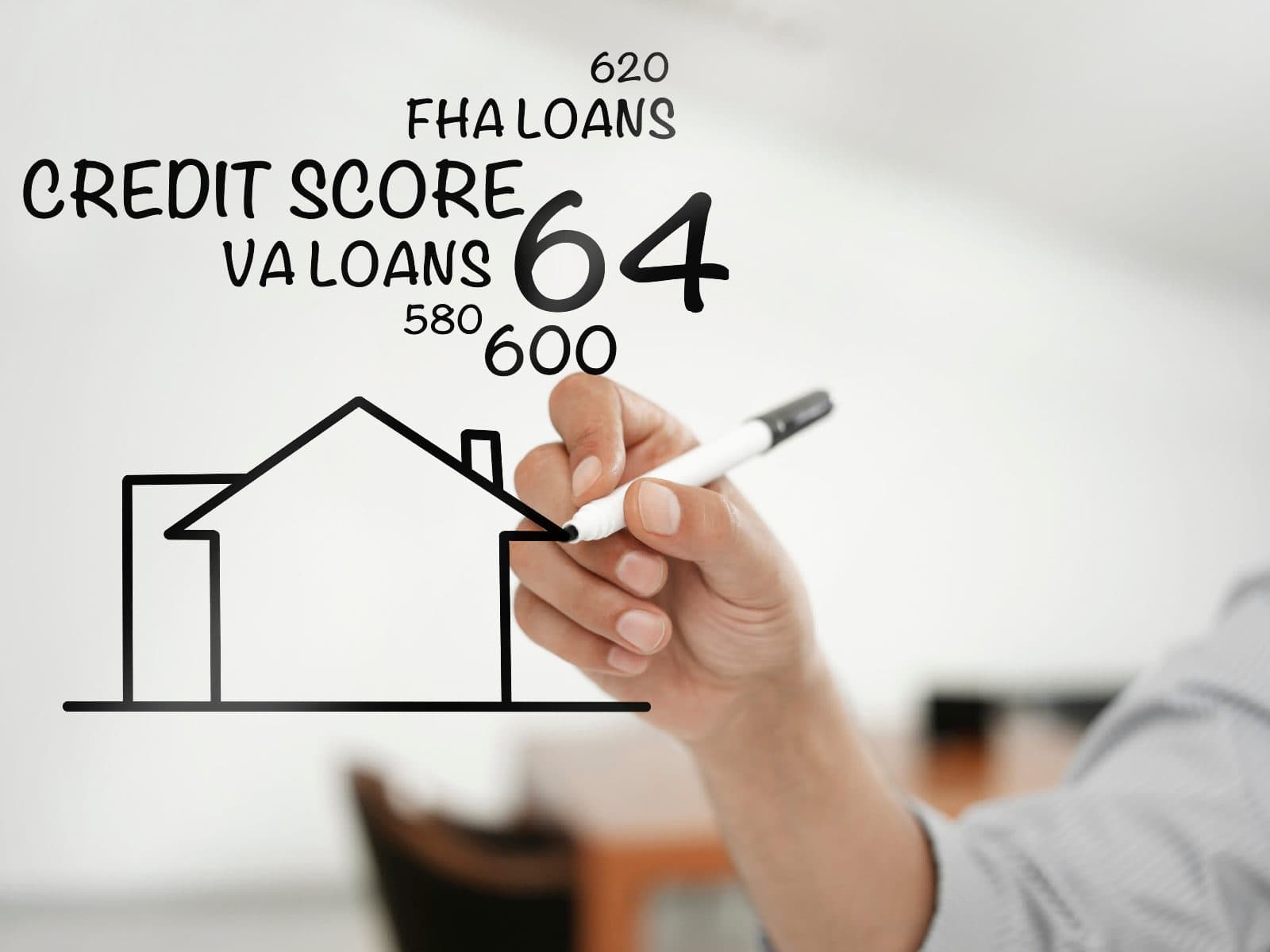
A whiteboard showing the credit scores needed for FHA, VA and conventional loans
Quick answer

To buy a home in California, most buyers need a credit score of about 620 or higher for a conventional loan, 580 or higher for many FHA loans (sometimes 500–579 with more down), and no set minimum for VA loans (though lenders often want around 620). A higher score usually means a lower interest rate, which saves money every month.

What this means

A credit score is a number, usually between 300 and 850, that shows how you have handled borrowing. Lenders use it to judge risk.

Higher score = lower risk to the lender = usually better rate.
Lower score = higher risk = harder to qualify or a higher rate.

Your score does not just decide if you qualify. It also affects how much you pay. Even a small rate difference adds up over a 30-year loan.

How it works (credit scores by loan type)

Here are typical minimum scores. Lenders can have their own rules, called overlays, that are stricter.

Loan typeTypical minimum score
Conventional620
FHA (3.5% down)580
FHA (10% down)500–579 (varies)
VANo VA minimum; lenders often want ~620
USDAOften ~640
JumboOften 700+

Remember: meeting the minimum gets you in the door, but a higher score usually gets you a better rate.

What affects your credit score

FactorRoughly how much it matters
Payment history (paying on time)The biggest factor
Amounts owed (credit use)Very important
Length of credit historyModerate
New credit and inquiriesSmaller
Mix of credit typesSmaller

The two biggest levers are paying on time and keeping balances low compared to your limits.

Requirements (at a glance)

To get the best shot at approval and a good rate, lenders like to see:

On-time payments for the last 12+ months.
Low balances on credit cards (using a small share of your limits).
No new big debts right before applying.
A few open accounts with some history.

Benefits of a higher credit score

Lower interest rate. This saves money every month and over the life of the loan.
Easier approval. Fewer conditions and questions.
Lower PMI. On conventional loans, higher scores often mean cheaper mortgage insurance.
More loan choices. You qualify for more programs.

Potential drawbacks of a lower score

Higher rate. You may pay more each month.
Bigger down payment. Some loans ask for more down with lower scores.
Fewer options. Some programs may not be available.
More documentation. Lenders may ask for extra explanations.
Step by step

How to improve your score before buying

1
Pay every bill on time. This is the most powerful step.
2
Lower your credit card balances. Aim to use a small part of your limit.
3
Do not open new credit. Skip new cards or car loans before applying.
4
Check your credit report. Look for errors and dispute them.
5
Keep old accounts open. Length of history helps.
6
Be patient. Improvements often show up within a few months.
Real-world California examples

What it looks like in practice

Score boost in Fresno

Carlos has a 600 score. He pays down his credit cards and fixes a reporting error. A few months later his score is 640, which opens up better loan options.

Strong score, lower cost in San Diego

Aisha has a 770 score. Her conventional loan comes with a lower rate and cheaper PMI than a buyer with a 660 score would get on the same home.

FHA path in Bakersfield

James has a 580 score. He uses an FHA loan with 3.5% down because his score does not yet meet conventional guidelines. He plans to refinance later as his credit improves.

Examples are for learning only. Your options depend on your full financial picture.

Common mistakes

1Opening new credit before buying. A new loan or card can lower your score and change your approval.
2Maxing out credit cards. High balances hurt your score.
3Missing a payment. Even one late payment can hurt.
4Closing old accounts. This can shorten your history and raise your credit use.
5Not checking your report. Errors can drag your score down.
6Waiting for a “perfect” score. Many buyers qualify with average scores. Get pre-approved to see where you stand.
Good questions

Frequently asked questions

About 620+ for conventional, 580+ for many FHA loans, and no set minimum for VA (lenders often want ~620).

Next steps

The best way to know where you stand is to get pre-approved.

A lender can pull your real score and show what loans and rates you qualify for. EZ Online Mortgage can review your credit, explain your options, and suggest simple steps to strengthen your profile before you buy.

Get Pre-Approved (818) 305-6704
Keep learning

This page is for education only. It is not a loan offer or a promise of approval, rates, or terms. Credit guidelines vary by lender, and qualification depends on your individual circumstances. Equal Housing Opportunity · NMLS #362311 · CA DRE #01871814.

CallStart my application