Licensed in California · NMLS #362311
EZOnline MortgageCalifornia Home Loans
Apply
HomeBuyInvestor
Buy · Buy by Borrower Type

Investment property loans in California: financing a rental.

Buying a rental property is a popular way to build wealth in California. But financing an investment property is different from buying a home to live in. This page explains the rules, the loan options, and what lenders look for, in plain language.

The main idea: lenders see rentals as higher risk, so they ask for more down payment, stronger finances, and sometimes look at the property’s rental income instead of just yours. Let’s break it down.

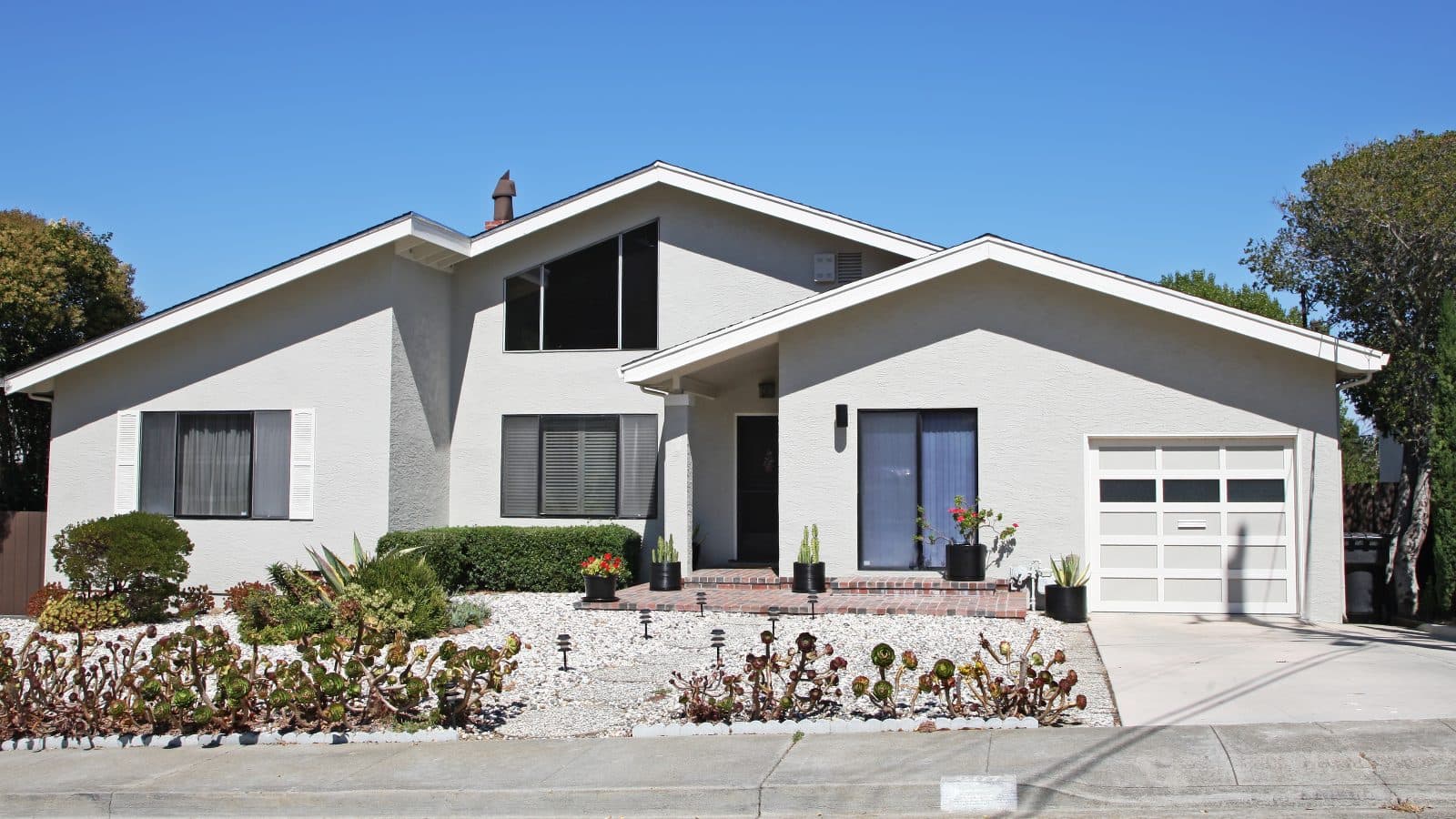
A row of California rental homes an investor is financing
Quick answer

An investment property is a home you rent out and do not live in. Loans for these usually require a larger down payment (often 15%–25%), good credit, and cash reserves. You can use a conventional loan (qualifying with your own income) or a DSCR loan (qualifying based on the property’s rental income). Terms are stricter than for a primary home.

What this means

When you buy a rental, lenders worry about two things: whether you can pay, and whether the property earns enough.

Conventional investment loan: You qualify using your own income and credit.
DSCR loan: You qualify based on the property’s rental income covering the payment, often without using your personal income. See DSCR Loans.

Because rentals carry more risk for lenders, you will pay more down and need stronger reserves than for a home you live in.

Step by step

How it works

1
Choose your loan path. Conventional (your income) or DSCR (property income).
2
Plan a larger down payment. Often 15%–25%.
3
Show reserves. Lenders want several months of payments saved.
4
Estimate the cash flow. Will the rent cover the mortgage, taxes, insurance, and upkeep?
5
Qualify. With conventional, your debt-to-income matters; with DSCR, the rent matters most.
6
Close and rent it out. You begin earning rental income.

Loan options for investors

OptionHow you qualifyBest for
ConventionalYour income and creditBuyers with strong personal income
DSCRProperty’s rental incomeBuyers whose properties cash flow well. See DSCR Loans
2-4 unit + house hackingYou live in one unitLower down payment via FHA. See FHA

A note on “house hacking”

If you buy a 2–4 unit property and live in one unit, you can sometimes use a low-down primary-home loan like FHA, then rent the other units. This is a popular California strategy to get started. See 2-4 Unit - Multi-Family.

Requirements (at a glance)

RequirementTypical investor rule
Down paymentOften 15%–25%
Credit scoreOften 680+ (varies)
ReservesSeveral months of payments saved
Cash flowRent should ideally cover costs
Loan sizeConforming or jumbo, depending on price

In pricey California areas, the loan may exceed the 2026 conforming limit ($832,750, up to $1,249,125 in high-cost areas), requiring a jumbo loan.

Benefits

Build wealth. Rentals can grow equity and income over time.
Rental income. Tenants help pay the mortgage.
DSCR option. Qualify on the property, not just your income.
California appreciation. Property values have a long history of rising.
Tax considerations. Rentals may offer tax benefits (ask a tax professional).

Potential drawbacks (the honest part)

Bigger down payment. More cash upfront than a primary home.
Stricter terms. Higher rates and reserve requirements.
Vacancy risk. Empty months mean you cover the payment alone.
Upkeep and management. Repairs and tenants take time or money.
Market risk. Values and rents can fall as well as rise.
Real-world California examples

What it looks like in practice

Conventional rental in Sacramento

Maria has strong income. She buys a rental with 25% down using a conventional loan and qualifies with her own finances.

DSCR loan in the Inland Empire

Marcus finds a property where the rent comfortably covers the payment. He uses a DSCR loan, qualifying based on the property’s income rather than his personal income. See DSCR Loans.

House hacking in Long Beach

The Lee family buys a duplex with an FHA loan, lives in one unit, and rents the other. The rent helps cover their mortgage. See 2-4 Unit - Multi-Family.

Examples are for learning only. Your terms depend on the property, your finances, and the loan type.

Common mistakes

1Underestimating the down payment. Plan for 15%–25%.
2Ignoring cash flow. Make sure the rent realistically covers costs.
3Forgetting reserves. Lenders want savings after closing.
4No vacancy budget. Plan for empty months and repairs.
5Overpaying for the property. A bad price hurts your returns.
6Skipping the DSCR option. It can help when your personal income is limited.
Good questions

Frequently asked questions

A loan for a home you rent out and do not live in. Terms are stricter than for a primary home.

Next steps

Investing in California real estate can build long-term wealth.

Just plan for the larger down payment, reserves, and the realities of cash flow and upkeep. EZ Online Mortgage can compare conventional and DSCR paths so you can finance your rental the smartest way.

Get Pre-Approved (818) 305-6704
Keep learning

This page is for education only. It is not a loan offer or tax advice, and not a promise of approval, rates, or returns. Real estate involves risk, and qualification depends on your individual circumstances. Equal Housing Opportunity · NMLS #362311 · CA DRE #01871814.

CallStart my application