Licensed in California · NMLS #362311
EZOnline MortgageCalifornia Home Loans
Apply
HomeRefinanceSwitch Loan Type
Refinance · Refinance Goals

Switch loan type: FHA to conventional in California.

Many California buyers start with an FHA loan, then switch to a conventional loan later. The biggest reason: getting rid of FHA mortgage insurance, which often lasts the life of the loan. This page explains when and how to make the switch, in plain language.

If your credit and equity have improved since you bought, this move can lower your costs. Let's look at how it works.

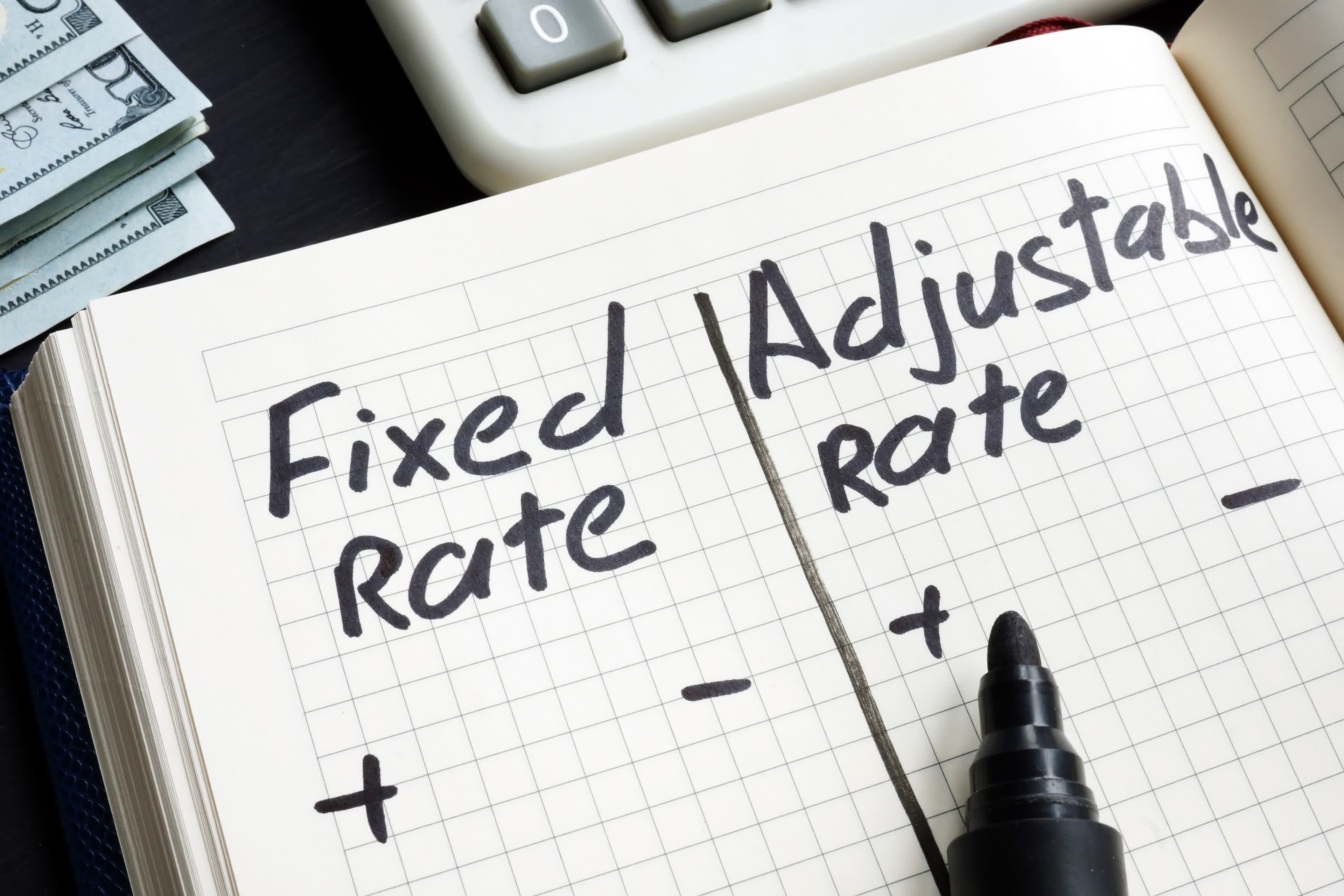
A notebook comparing fixed-rate and adjustable-rate options when switching loan types
Quick answer

Refinancing from FHA to conventional can remove FHA mortgage insurance, which usually lasts the life of an FHA loan. It makes sense when you have built about 20% equity (to avoid PMI on the new loan) or when your credit has improved. You will pay closing costs, so check that the savings beat the cost — your break-even point.

What this means

FHA loans are great for getting started, but they have a catch: the mortgage insurance often never goes away unless you refinance. Conventional loans are different — their PMI can be removed at about 20% equity, or avoided entirely if you have 20% equity now.

So switching from FHA to conventional can:

Remove FHA mortgage insurance.
Possibly lower your rate (if your credit improved or rates dropped).
Lower your overall monthly cost.

This is why so many California buyers use FHA to buy, then refinance to conventional once they qualify. See FHA vs Conventional.

Step by step

How it works (step by step)

1
Check your equity. With about 20% equity, you can avoid PMI on the new conventional loan.
2
Check your credit. A stronger score helps you qualify and get a better rate.
3
Get an appraisal. It confirms your home's current value and equity.
4
Compare the costs. Make sure savings beat the closing costs. See Refinance Check-Up (Is it worth it).
5
Refinance to conventional. Your FHA loan is paid off and replaced.
6
Drop the insurance. With 20% equity, no PMI on the new loan.

When this switch makes sense

You have about 20% equity. California's rising values often make this possible.
Your credit improved. A better score means better terms.
Rates dropped. You can lower your rate at the same time.
You want to stop FHA insurance. The main reason for most people.

When it may not make sense

You have little equity. You might still pay PMI on the conventional loan.
Your current rate is very low. Replacing it could cost you.
You will move soon. You may not reach the break-even point.

Requirements (at a glance)

RequirementTypical switch rule
Equity~20% to avoid PMI on the new loan
Credit score~620+ for conventional
IncomeMust qualify for the new loan
AppraisalConfirms current value
Break-evenSavings should beat closing costs

Benefits

Remove FHA insurance. Often the biggest savings.
Possibly lower rate. If credit or rates improved.
Lower monthly cost. From dropping insurance.
PMI removal later. Even if you have PMI now, conventional lets you remove it at 20% equity. See Remove PMI.

Potential drawbacks (the honest part)

Closing costs. Include them in your math.
Need equity or strong credit. Otherwise the benefit shrinks.
Could reset your loan. A new term can add interest.
Appraisal risk. A low value can limit the benefit.
Real-world California examples

What it looks like in practice

Equity grew in San Diego

The Lee family bought with FHA. Their home value rose, giving them over 20% equity. They refinance to conventional, remove the insurance, and lower their payment.

Credit improved in Fresno

Marcus raised his credit score after buying with FHA. He refinances to conventional for a better rate and to drop FHA insurance.

Not yet worth it in Sacramento

Maria has little equity and a very low FHA rate. For now, switching would not save enough, so she waits until she builds more equity.

Examples are for learning only. Your results depend on your equity, credit, and the market.

Common mistakes

1Switching with little equity. You may still owe PMI.
2Ignoring closing costs. Always include them.
3Giving up a very low rate. Sometimes it is not worth it.
4Forgetting the break-even. See Refinance Check-Up (Is it worth it).
5Assuming FHA insurance drops on its own. It usually does not.
6Not checking your appraisal value first. Equity drives the benefit.
Good questions

Frequently asked questions

Mainly to remove FHA mortgage insurance, which often lasts the life of the loan.

Next steps

Check your equity and run the break-even

If you started with FHA and have built equity or improved your credit, switching to conventional can remove costly insurance. Check your equity and run the break-even. EZ Online Mortgage can check your equity and credit to see if switching from FHA to conventional makes sense.

Start Refinance Rates (818) 305-6704
Keep learning

This page is for education only. It is not a loan offer or a promise of approval, rates, savings, or terms. Qualification depends on your individual circumstances. Equal Housing Opportunity · NMLS #362311 · CA DRE #01871814.

CallStart my application